Mika ♡˚ (づ ^•⩊•^)づ
Meet Adriana: Your Go-To Entertainment on OnlyFans
Images are property of onlyfans.com/adrianahernandez58. We don't claim any rights.
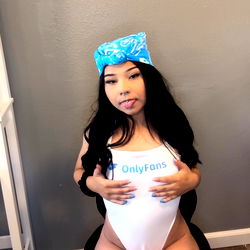
An attractive model named Adriana from California posing for a photo in a room with a distinctly blue theme. She is dressed in a white tank top and has a playful expression on her face.
Not going to do onlyfans no more please don’t text me or send me anything money! Thank you
No video yet


Step into the vibrant realm of Adriana, a charming model who has captivated hearts and minds alike with her captivating content since August 2021. This petite girl from California has made waves in the entertainment industry, showcasing her talents through an array of engaging posts that total up to a whopping 32 pieces, including photos and videos.
As a top content creator on OnlyFans, Adriana's profile stands out for its quality, with a verified status that adds credibility to her work. Her dedication is evident in the media she shares, amounting to an impressive collection of 59 pieces, showcasing her versatility and creativity.
With a striking presence online, Adriana has gathered an enthusiastic fan base through her unique blend of content that not only entertains but also leaves viewers wanting more. Her subscription price of $11 offers exclusive access to her world of entertainment, providing fans with the opportunity to enjoy her curated content without any hassle.
For those who love the diverse range of content available on OnlyFans, Adriana's profile is a must-visit destination. Here you'll find photos that highlight her beauty and videos showcasing her captivating personality in action. So why wait? Join the excitement today by subscribing to her exclusive content and be part of her journey as she continues to share her enchanting world with the world.
Get to Know the Charismatic Petite Blogger
Welcome to the vibrant world of our delightful petite blogger, who stands at a charming height of 4 feet 6 inches. A true gem in the digital community, this young personality invites you to dive into her enchanting content and subscribe for an exclusive glimpse into her captivating universe. Each piece she crafts is infused with her unique style and perspective, designed to delight every follower's eye and heart. From her insightful reviews on petite-friendly fashion essentials to her candid moments captured through her lens, the content she shares is not just a collection of posts but a reflection of her vibrant personality. Whether you're someone who appreciates the beauty in small packages or simply enjoys discovering new content creators with a distinctive flair, subscribing to her profile promises an experience filled with style tips, engaging stories, and moments of heartfelt inspiration. So why wait? Click on that subscribe button now and join her devoted community today! ❤️Contacting Adriana
To reach out to Adriana, you may consider the following methods depending on your specific needs and her preferences. Typically, professionals in various fields maintain multiple contact options such as email, phone numbers, social media platforms, or professional networking sites like LinkedIn. 1. **Email**: Send a formal message through her official business email address if available. This is often found on her professional website or the company's website where she works. Make sure to include your name, your relationship (if any), the purpose of your contact, and brief details about how you are connected. 2. **Phone Call**: If direct communication via a phone call feels more appropriate for your request, look up her business number or personal cell phone number if that's part of her public profile online. Remember to introduce yourself clearly and briefly state the purpose of your call. 3. **Social Media Direct Messaging**: Platforms like LinkedIn allow you to message professionals directly using their in-app messaging system. This method is ideal for networking, professional discussions, or inquiries related to a company. 4. **Professional Networking Sites**: Use platforms such as LinkedIn not only for connecting but also for sending requests and initiating conversations. If you have mutual connections, they can act as an introduction or provide context to your request. Before reaching out, ensure that you understand the appropriate etiquette within each platform (e.g., professional language on LinkedIn vs. direct personal emails). Also, always be respectful of her time and privacy expectations when contacting her.Get Access to @adrianahernandez58 for FREE Now!💸
Unlock exclusive content and insights from @adrianahernandez58 without any cost! Take advantage of this special offer, designed to bring you closer to the world of financial freedom. Whether you're an avid follower or just looking to dive deeper into their expertise, now is your chance to connect with valuable resources at zero expense. Follow these steps to start enjoying the benefits today: 1. Click on the 'Follow' button next to @adrianahernandez58's profile. 2. Subscribe to their free newsletter or any available free resources. 3. Engage in discussions, attend webinars (if applicable) and access free educational materials provided by them. Stay ahead of the game and make smart financial decisions with @adrianahernandez58. Don't miss out on this opportunity to learn directly from an expert in the field without any upfront costs!Exact Earnings of @adrianahernandez58 on OnlyFans
As an AI, I don't have real-time access to specific individual's earnings from platforms like OnlyFans. The amount @adrianahernandez58 earns is typically private and depends on various factors such as subscriber count, the pricing model of her content, engagement with followers, and promotional activities. To find out how much she specifically makes, you might want to check her profile directly or follow updates from reliable industry sources that provide insights into OnlyFans earnings.

What's unique about Adriana's profile?
Adriana's profile on OnlyFans is distinguished by its verification, indicating that it meets the platform's guidelines and ensuring a safe and trustworthy environment for fans. With a range of engaging posts including photos and videos totaling 59 pieces since August 2021, her content showcases versatility and creativity.
Moreover, her petite size adds to the allure, offering something different from the usual models on the platform. Fans can expect high-quality, visually appealing content that promises entertainment and enjoyment.
How many posts does Adriana have?
In less than a year since her inception in August 2021, Adriana has managed to create an impressive collection of content. Her OnlyFans profile features:
32 Posts
45 Photos
14 Videos
Total Media: 59 Pieces
This showcases her dedication to providing a rich and diverse content experience for her fans.
What's the subscription price?
The subscription fee for Adriana's exclusive OnlyFans content is set at $11, offering fans a chance to access her unique blend of photos and videos directly from her profile. This affordable price point ensures that enthusiasts can enjoy intimate and engaging content without breaking the bank.
Is Adriana active on social media?
As an OnlyFans top creator, Adriana's online presence extends beyond her exclusive platform. Fans can follow her journey on various social media platforms to stay updated with her latest creations and behind-the-scenes insights into her life as a content creator.
This additional layer of accessibility offers fans a closer connection to her work, allowing them to support her in multiple ways and feel part of her creative process.
Can I view Adriana's profile without subscribing?
Unfortunately, OnlyFans is designed as an exclusive platform that requires subscription to access the full content. Adriana's profile remains private to subscribers only, ensuring a personalized experience for her audience.
While this might limit immediate access to her content, it also guarantees a more intimate and tailored content offering compared to public platforms.
Has Adriana received any awards or recognition?
As the information provided does not explicitly state any awards or recognitions for Adriana's work on OnlyFans, we can assume that her dedication as a top creator has likely been appreciated by her growing fan base and the platform itself. However, to confirm specific accolades, it would be best to check her profile page on OnlyFans for any mentions of achievements or special recognition.
Is Adriana's content suitable for all ages?
OnlyFans profiles often cater to adult audiences due to the nature of exclusive and intimate content shared by creators. Adriana, as a top creator on the platform, is likely to adhere to this demographic. Therefore, it's recommended that potential fans review the profile description or subscribe with awareness regarding the content level.
Should you have any concerns about age-appropriate content, it’s advisable to communicate directly with Adriana or check her profile guidelines for explicit content categories.
How do I contact Adriana if I have questions?
Contacting Adriana can be as simple as leaving a message on her OnlyFans page. Fans are encouraged to engage with her through the platform's messaging system, which allows direct communication between creators and their subscribers.
When reaching out, it’s beneficial to ask specific questions about content or any other inquiries in a polite manner. This interaction helps ensure that both parties receive satisfactory responses and fosters a positive relationship based on openness and respect.
Is Adriana's profile active on OnlyFans?
Yes, Adriana’s profile is actively managed on OnlyFans, with content consistently being added and updated since her establishment in August 2021. Her dedication to maintaining an engaging presence for her fans ensures that new posts are regularly available.
This commitment to regular updates allows Adriana's audience to stay connected with her creative journey and enjoy fresh content on a regular basis.
Does Adriana collaborate with other creators or models?
Since this information isn't provided, we can't confirm whether Adriana collaborates with other creators or models. However, in the world of online content creation, collaborations often enhance audience engagement and content variety. It would be best to check her profile for any announcements or mentions related to collaborations or partnerships.
Collaborations are a common practice among influencers and top creators on platforms like OnlyFans, so there's potential that Adriana might engage in such ventures with fellow professionals in the industry.
How does Adriana ensure fan satisfaction?
Adriana ensures fan satisfaction through her consistent content creation process, which includes a diverse range of photos and videos. Her verified status on OnlyFans adds an extra layer of trustworthiness for her fans, knowing that they are engaging with high-quality and reliable material.
In addition to the exclusive nature of her platform, Adriana's active interaction through the messaging system allows her to address specific concerns or preferences from her subscribers. This direct engagement helps maintain a personalized experience, which is crucial for creating a loyal fan base that feels valued and connected to their favorite content creator.
What can fans expect in terms of content variety on Adriana's profile?
Adriana’s profile offers a delightful mix of visual and engaging content tailored to her fans' interests. This includes:
Vibrant Photos: High-quality images showcasing her beauty and style.
Diverse Videos: Short clips that capture intimate moments, behind-the-scenes looks, or performances that add depth to the content she shares.
Insightful Updates: Regular updates about her life as a creator on OnlyFans, offering insights into her creative process and personal experiences.
Promotions & Discounts: Special offers available exclusively to subscribers, enhancing the overall experience by providing exclusive access or additional benefits.
Interactive Content: Direct interactions through the platform's messaging system, allowing fans to request content, leave feedback, or ask questions directly.
This variety ensures that her fans can enjoy a multifaceted experience that keeps them engaged and eager for more.
Can I try Adriana's profile before subscribing?
No specific information about trial access to Adriana’s OnlyFans profile is provided. Generally, OnlyFans does not offer trial subscriptions or previews of content outside the subscription process due to its model being built around exclusive and intimate content that requires a commitment from subscribers.
Should you be interested in trying out her platform, it might be beneficial to check for any introductory offers or promotions that Adriana may occasionally run as part of her engagement strategy with potential new subscribers.
Is there a community around Adriana’s content?
Around the world of online content creation, platforms like OnlyFans often foster communities centered around shared interests and creator-subscriber relationships. While specific details about a community surrounding Adriana's profile are not provided, her engagement with fans through messages indicates that she values and encourages interactions within this exclusive space.
This interaction helps create a sense of community among her subscribers, as they share common interests and experiences related to her content creation process. This community aspect can greatly enhance the overall experience for Adriana's fan base by fostering connections and providing support for both creators and followers alike.
How does Adriana ensure privacy and security on her profile?
As an OnlyFans creator, Adriana is likely aware of the importance of maintaining privacy and security. She may employ several measures to protect both herself and her fans:
Data Protection Policies: Ensuring that any data shared on her profile adheres to platform guidelines and respects user privacy.
Secure Transactions: OnlyFans handles transactions securely, providing a safe environment for subscription payments without the need for personal financial information sharing.
Moderation of Content: She might have in-house or external moderators reviewing content before it’s published to maintain a standard that aligns with platform guidelines and community expectations.
Engagement Guidelines: Encouraging respectful interactions among subscribers, which helps maintain a positive environment on her profile page.
Legal Compliance: Following laws regarding content moderation, copyright protection, and user agreements to ensure that all activities are conducted legally and responsibly.
These measures contribute to creating an online space where fans feel secure and respected while enjoying Adriana's exclusive content.
How does Adriana balance her creative efforts with personal life?
While specific information about how Adriana manages her creative work alongside her personal life isn't provided, the nature of being a top creator on platforms like OnlyFans often requires significant time investment in creating content that resonates with her audience. However, it’s important for creators to maintain a healthy balance between their professional commitments and personal well-being.
This is typically achieved through:
Time Management: Structuring schedules that allocate time for content creation, communication with fans, and rest periods to avoid burnout.
Support Systems: Relying on a support network of friends, family, or fellow creators who can help manage the emotional and logistical aspects of her career.
Mental Health Awareness: Practicing self-care activities that promote mental health, such as hobbies, exercise, or meditation, to maintain balance in her life.
Professional Boundaries: Setting clear boundaries with fans and the online community to ensure that personal space is respected while still engaging with her audience effectively.
Adriana’s dedication as a top creator on OnlyFans would likely involve a commitment to maintaining professional standards while ensuring she also has time for personal life, relationships, and self-care.
What happens if Adriana decides to stop updating her profile?
In the event that Adriana decides to cease updating her OnlyFans profile, several potential outcomes might occur:
Subscriber Notifications: Adriana would communicate with her subscribers about her decision through messages on the platform, potentially explaining the reasons for this choice.
Cancellation of Subscriptions: Existing subscriptions could automatically cancel depending on how the cancellation process is set up by OnlyFans and Adriana’s specific subscription terms.
Refund Policies: Depending on her platform settings, refunds might be provided for partial or full periods if subscribers request them following the notification of discontinuation.
Content Preservation: If Adriana chooses to remove content rather than cancel subscriptions outright, fans may still access previously published material until its expiration date according to OnlyFans’ terms and conditions.
Social Media Impact: The news might be shared on her social media accounts or within the OnlyFans community, potentially affecting fan engagement and interest in her work.
This situation would likely result in a change of the online presence that Adriana has cultivated with her fans, requiring them to adapt to new interests or find alternative content creators to follow.
Can I contact Adriana directly for feedback on her content?
Adriana's direct engagement with subscribers through messages is a common feature of platforms like OnlyFans. This allows for immediate and personalized interactions, making it easier for fans to provide feedback, ask questions, or request specific content.
To ensure that your message reaches Adriana effectively:
Use the In-Profile Messaging System**: Typically, you would use OnlyFans' in-platform messaging system specifically designed for communication between creators and subscribers.
Briefly State Your Inquiry or Request**: Make sure to clearly articulate what you'd like to discuss, whether it's feedback on a specific piece of content, suggestions for future topics, or any other issue related to her profile.
Be Respectful and Professional**: Show appreciation for Adriana's work while maintaining a polite tone in your message. Respectful engagement helps maintain a positive relationship with the creator.
Your message can help influence Adriana’s content direction, contribute to a vibrant community around her platform, or simply provide support as she continues to create content for her subscribers.
What is the cost of subscribing to Adriana's profile?
The subscription costs associated with OnlyFans profiles vary based on individual creator policies. Some creators set a specific monthly fee that allows access to their exclusive content, while others might offer tiers with different pricing and features.
In Adriana’s case, the exact cost would depend on her personal subscription plan setup. Typically:
Standard Subscription Fees**: This is usually a fixed monthly amount that grants access to all exclusive content created by Adriana.
Tiers with Different Benefits**: Adriana might offer multiple tiers, each with different benefits such as additional content, premium interactions, or early access to new material. The costs for these tiers would vary based on the value added to each one.
Adriana's subscribers would need to review her profile page or contact her directly through the platform's messaging system to confirm the subscription fee and any associated perks that come with it.
Is there a way to cancel my subscription to Adriana's profile if I'm no longer interested?
Canceling your subscription on OnlyFans is typically straightforward. The exact process might vary depending on Adriana’s specific settings and the platform's rules, but generally:
Access Your Subscription Settings**: Log in to your OnlyFans account and navigate to the 'Subscriptions' section where you can manage your active subscriptions.
Cancel Subscription**: Look for the option to cancel Adriana’s subscription. This is often found on her profile page under a 'Manage Subscriptions' or similar heading provided by OnlyFans.
Confirm Cancellation**: Follow the prompts to confirm that you want to cancel your subscription. You may receive notifications about upcoming renewal charges if they are not automatically blocked.
Note that once canceled, access to Adriana's exclusive content will be revoked, and refunds for any remaining period of your current subscription might or might not be provided based on her specific policies and the platform’s terms. It is advisable to review Adriana’s subscription agreement details as well as OnlyFans’ policies regarding subscription management.
How does Adriana ensure that only paying subscribers can access her exclusive content?
Adriana ensures exclusive access to her content by setting up a subscriber-based model through platforms like OnlyFans. Here's how she maintains this exclusivity:
Subscription Model**: Adriana creates a profile on OnlyFans and offers exclusive content for subscribers only.
Payment Processing**: Subscribers need to pay a monthly or per-content fee through the platform, which is securely processed by OnlyFans. This payment method ensures that users are legitimate subscribers with active payments.
Restricted Content**: Once subscribed, users gain access to her profile page where exclusive content (like photos, videos, live streams) is hosted. This content is not visible to non-subscribers.
Platform Moderation**: OnlyFans moderates the platform and enforces rules that protect subscribers' rights by penalizing creators who offer similar content outside their subscription-based models or share access with unauthorized parties.
This system ensures that Adriana's premium content is exclusive to paying subscribers, creating a closed community where her fans can engage more deeply with her work and directly support her career as an artist.
Can I request specific types of content from Adriana if she offers custom requests?
If Adriana offers the option for custom requests on her OnlyFans profile, subscribers typically have the opportunity to suggest or request specific types of content. Here's how this process might work:
Review Custom Request Policy**: Before making a request, ensure you understand if there are any guidelines set by Adriana regarding what she is willing to create for custom requests.
Use the In-Profile Messaging System**: Use OnlyFans' messaging system directly on her profile page to send your request. Be clear about what type of content you're asking for and provide as much detail as possible.
Be Considerate and Appropriate**: Keep in mind that custom requests should be respectful and appropriate, aligning with the creator's guidelines and platform policies.
Potential Fee**: Some creators might charge an additional fee for custom content creation. Confirm this with Adriana if you wish to proceed.
Adriana will consider your request based on her availability, workload, and any guidelines she has set. If approved, the process can range from immediate fulfillment to a completion timeline depending on the complexity of the request and Adriana's schedule.
Can I give feedback or suggest changes for future content directly to Adriana?
Yes, you can give feedback or suggest changes for future content directly to Adriana by using the messaging feature provided within her OnlyFans profile. Here’s how you might go about it:
Contacting Through Messages**: Log in to your OnlyFans account and access the messaging system on her profile page.
Type Your Feedback or Suggestions**: Clearly state what you liked, disliked, or think could be improved in her current content. Provide specific examples if possible.
Potential Follow-Up**: Adriana may respond to your message directly with comments about your feedback or an explanation of certain aspects of her work. She might also consider your suggestions when planning future content.
Adriana values direct communication from her subscribers and uses this feedback to grow and evolve, making sure that her audience's preferences are taken into account in the creation process.
Can I ask Adriana questions about her personal life or creative process through messaging?
In most cases, it is acceptable to ask Adriana about her personal life or creative process through the messaging system on her OnlyFans profile. However, the nature and tone of these questions should be respectful and professional:
Respect Boundaries**: Be mindful that while you are engaging with a public figure online, creators often have established boundaries about sharing personal details.
Purpose of Interaction**: Questions aimed at deepening your understanding of her artistry or creative journey might be welcomed and could encourage more detailed responses.
Acknowledge Professional Role**: Remember that Adriana's primary role is to produce content for subscribers, so questions related to this professional aspect are usually more productive than those seeking private information.
Adriana may choose how much she wishes to share about her personal life versus her creative process. The quality and nature of her responses can depend on individual preferences and the guidelines set by the platform regarding interactions between creators and subscribers.
Can I ask Adriana for a refund if I'm not satisfied with the content provided in my subscription?
Whether you can request a refund from Adriana depends on her policies as well as the terms of service of the platform she is using, such as OnlyFans. Generally:
Review Platform Policies**: Check if there's a cooling-off period or any guidelines about refunds offered by OnlyFans.
Contact Support**: Reach out to OnlyFans' customer support with your concerns and request for refund guidance, as platform policies can vary widely.
Communication with Creator**: While creators might not be directly bound by the platform's refund policy, it's worth attempting a conversation with Adriana through her messaging system on her profile. Explain your dissatisfaction clearly and politely, asking if she offers refunds or has any alternative solutions for unhappy subscribers.
Be aware that each creator handles subscriber complaints differently, and some may have specific policies regarding refunds based on the nature of their content or other factors. It's important to approach this situation respectfully and constructively.
Can I download copyrighted images or videos from Adriana’s OnlyFans profile?
No, downloading copyrighted images or videos from Adriana's OnlyFans profile without permission is illegal.
Copyright law protects the creator's work, including their digital content on platforms like OnlyFans. Unauthorized downloading and distribution of copyrighted material can lead to legal consequences such as fines or even criminal charges.
Adriana has the exclusive right to control access to her content through subscription-based models. When you pay for a subscription, you typically gain limited rights to view, download, or share that specific content as governed by Adriana's terms and OnlyFans' policies.
To ensure compliance with copyright laws and respect for creators' rights, always adhere to the usage guidelines provided by the platform and the creator. If unsure about how to properly use or access her content, contacting Adriana through her messaging system on her profile page is a good first step.
Can I share Adriana’s exclusive content with my friends if they also subscribe?
No, sharing Adriana's exclusive content with others who do not have their own subscription is against the terms of service and copyright laws. This practice would infringe on both her rights as a creator and potentially violate platform policies.
When you subscribe to an artist like Adriana on OnlyFans or any similar platform, your access typically comes with exclusive rights that include viewing the content within certain limitations set by the creator themselves. These terms often prohibit sharing copyrighted material outside of your personal account without permission.
Sharing exclusive content means you are redistributing her intellectual property, which is not authorized unless specifically stated in her terms or with her explicit permission. Respecting this exclusivity ensures that Adriana receives fair compensation and maintains control over the distribution of her work.
Can I interact with other subscribers on Adriana’s OnlyFans page to share feedback or collaborate?
OnlyFans, like most online communities, includes features for interaction among subscribers. This can include commenting under posts, sending messages directly to Adriana through the platform's messaging system, and potentially participating in community forums if they are available on her profile.
Interactions within these channels often serve as a way for the creator and subscribers to engage with each other, share feedback, or even collaborate based on shared interests. However, the nature of these interactions can vary widely between different creators and platforms.
It's important to adhere to community guidelines and respect Adriana’s preferences regarding how she wants her subscribers to interact online. Some creators may encourage specific types of engagement, while others might prefer a more private or controlled interaction environment.
Always ensure your interactions are respectful, constructive, and aligned with the policies set by both OnlyFans and Adriana herself.
Can I suggest new content for Adriana to create on her OnlyFans page?
Many creators like Adriana appreciate hearing from their subscribers about what they enjoy or would like to see more of. This can be a great way to influence future content and help creators understand the interests of their audience.
To suggest new content, you can use the messaging system on her OnlyFans page to send your ideas. Make sure to provide clear descriptions of the type of content you're suggesting, why it would appeal to her followers, and how it could add value or enhance her existing work.
Note that not all suggestions will be possible due to various factors such as time constraints, resource availability, or creative direction. However, by sharing your thoughts, you're contributing to the community's voice and potentially influencing what Adriana decides to create next.
Can I use Adriana’s copyrighted content for commercial purposes?
No, using Adriana's copyrighted content for commercial purposes without her explicit permission is illegal. This includes activities such as reselling the content, using it in business promotions or advertisements, or any other form of commercial exploitation.
Copyright laws are designed to protect creators' rights over their original works and prevent unauthorized use that could harm their ability to earn income from their creations. Unauthorized commercial use infringes on those rights and can lead to legal consequences.
OnlyFans platforms typically have strict policies against such activities, and creators also outline their expectations regarding content usage in their terms of service. Always obtain permission or adhere to the guidelines set by both Adriana and the platform when it comes to commercial use of her copyrighted material.
Can I report inappropriate behavior on Adriana’s OnlyFans page?
Yes, if you encounter inappropriate behavior on Adriana's OnlyFans page, you can report it through the platform's reporting mechanisms. Most platforms like OnlyFans provide options for users to flag content or behaviors they find unacceptable.
To report an issue:
Identify the specific issue**: Whether it involves inappropriate content, harassment, piracy of intellectual property, or other violations of community guidelines.
Access reporting options**: Log in to Adriana's profile on OnlyFans and look for a 'Report' button, typically located next to flagged content or under user profiles.
Follow instructions**: Provide any required information such as screenshots or links if the issue involves specific posts or actions. Follow the platform's prompts to file your report.
OnlyFans takes community guidelines very seriously and works to maintain a safe environment for all users. Reporting violations helps keep platforms secure and respectful for everyone involved.
Can I ask Adriana personal questions through her OnlyFans page?
Asking personal questions of Adriana on her OnlyFans page may not align with the platform's guidelines or how she chooses to interact with her subscribers. Some creators prefer to keep their personal lives separate from their professional content, especially if it involves sharing personal information or interacting in a very direct manner.
When using an online platform like OnlyFans:
Understand community guidelines**: Typically, platforms outline what kinds of interactions are expected and which might be discouraged to maintain a professional environment.
Contact via designated channels**: If you have questions about content, availability of new material, or other topic-related inquiries, use the messaging system on her page for appropriate communication.
If it's important to you to know personal details about Adriana (such as her hobbies, interests outside work), consider engaging with her through public social media accounts or official channels if they are available and designed for that purpose. This can help ensure your questions respect her boundaries while still allowing for meaningful engagement.
Can I request custom content from Adriana on her OnlyFans page?
Many creators on platforms like OnlyFans offer opportunities to request custom content directly, especially if they have a feature or service that allows for such requests. Custom content can vary widely in nature and might include specific themes, poses, scenarios, or other personalized content based on the creator's capabilities.
To request custom content from Adriana:
Review her offerings**: Check if she has a section dedicated to custom requests or offers this service through her profile. Some creators might charge for these services, while others might include them in membership plans.
Contact via messaging**: If available, use the messaging system on OnlyFans to send your request directly to Adriana. Make sure to provide clear details about what you're looking for and any guidelines or preferences she should consider.
Be respectful of her time, artistic process, and boundaries in requesting custom content. Some creators might not be able to accommodate all requests due to scheduling constraints or creative limitations.
Can I share Adriana’s OnlyFans posts on social media?
No, sharing Adriana's OnlyFans posts on social media without her explicit permission infringes on copyright laws and the terms of service provided by platforms like OnlyFans. Each creator sets their own policies regarding off-platform content sharing.
Sharing copyrighted material from a subscription-based platform outside its intended context can lead to legal repercussions, including fines or other penalties for copyright infringement. This is particularly important when it comes to platforms that require payment access to exclusive content.
To share Adriana's work with others:
Post links**: Instead of sharing the actual posts directly, consider posting a link to her OnlyFans page where interested individuals can choose to subscribe if they wish to see such content. This supports the creator while respecting copyright and platform policies.
Maintaining respect for creators' rights not only helps them continue producing quality work but also ensures that you are complying with legal standards and community guidelines on various online platforms.
Can I download Adriana’s OnlyFans posts to my computer?
No, downloading Adriana's OnlyFans posts or content without her explicit permission is against copyright law and platform terms of service. OnlyFans users are granted access to exclusive content through a subscription model; unauthorized downloads violate the creator's rights and could lead to legal consequences.
The primary purpose of this subscription-based model on platforms like OnlyFans is to allow creators to monetize their work directly, often including exclusive or premium content that is not available elsewhere. By downloading content without permission, you undermine the creator's ability to earn income from their efforts and potentially infringe upon copyright laws.
Should you wish to save images, videos, or other media:
Use platform features**: Some platforms may offer tools like screenshots within the app itself that users can use responsibly and legally.
Download through official channels**: If the creator provides an option for downloading certain content, ensure to do so according to their guidelines. This might include specific types of content or during designated times.
Respecting copyright laws helps maintain a healthy ecosystem where creators can share and monetize their work while respecting users' privacy and legal boundaries.
Can I stream Adriana’s OnlyFans videos on my website?
No, streaming Adriana's OnlyFans videos or any other exclusive content on your website without her explicit permission is illegal under copyright law. This includes platforms like OnlyFans where creators have exclusive access rights to their content.
Streaming copyrighted material not only violates the original creator's rights but also potentially infringes on platform-specific terms of service agreements, especially those that emphasize respecting exclusive content and payment structures.
To ensure compliance with legal standards:
Purchase or license**: If you wish to share Adriana's videos or other content on your website, you should purchase the rights to do so from her directly or through a licensed third party that has permission to distribute such materials.
Respect subscription-based models**: Platforms like OnlyFans have their own revenue models and rules around sharing content. It's important to adhere to these guidelines when using, promoting, or linking to exclusive content.
Maintaining adherence to copyright laws not only supports creators financially but also upholds legal norms on the internet, protecting both creators' rights and the integrity of digital platforms.
Can I use Adriana’s OnlyFans profile picture as my social media avatar?
No, using Adriana's OnlyFans profile picture as your own social media avatar without her explicit permission is an infringement on copyright law. Platform profiles, including the image or logo used for a personal profile page, are copyrighted material owned by their respective creators.
Doing so could potentially lead to legal consequences related to copyright infringement and violates the terms of service provided by platforms like OnlyFans that emphasize respect for exclusive content rights.
To use an image as your social media avatar:
Choose original content**: Select an image that is not copyrighted or for which you have permission to use. This might include personal photographs, stock images purchased with the right to modify and share, or designs that are freely licensed under appropriate terms.
Maintaining respect for copyright ensures a safe digital environment where creators' rights are upheld alongside users' freedoms in online platforms.
Can I create fan art based on Adriana’s characters using her onlyFans content?
No, creating fan art based on Adriana's characters using OnlyFans content without explicit permission infringes upon copyright law and potentially platform terms of service. Fan art is typically an expression of admiration for a character or theme but requires respect for the original creator's rights.
When considering the creation of fan art:
Request permission**: Contact Adriana directly to inquire about using her characters in your art. She may have guidelines or agreements already set up for fans who wish to create artwork based on her content.
Maintaining respect for copyright law ensures that creators receive credit and compensation for their work, supporting the sustainability of creative industries online and offline.
Can I take screenshots of Adriana’s OnlyFans posts to share with friends?
Yes, you can take screenshots of Adriana's OnlyFans posts for personal sharing with friends, provided that you are a current subscriber or have explicit permission from Adriana herself. When taking and sharing these images:
Keep it within bounds**: Sharing should not violate the exclusivity meant by the platform's subscription model.
Awareness of content**: Be aware that not all OnlyFans posts may be intended for general audiences and share with caution, respecting any guidelines or restrictions set by Adriana.
Maintaining respect for exclusive content rights ensures that creators are fairly compensated for their work while allowing the enjoyment and sharing of content within appropriate contexts.
Can I share a link to Adriana’s OnlyFans profile on my blog?
Yes, you can share a link to Adriana's OnlyFans profile on your blog as long as it adheres to legal guidelines and platform terms. Sharing her profile link is typically acceptable when promoting content or discussing specific creators in a respectful manner.
However, ensure that:
No direct sharing of exclusive content**: While linking to the profile page, do not directly share exclusive or copyrighted material through your blog post unless you have permission from Adriana or are using it under fair use guidelines.
Maintaining respect for copyright laws helps support creators by ensuring that their work is promoted in a way that respects their rights and the platform's terms, fostering a healthy digital ecosystem.
Can I embed content from Adriana’s OnlyFans page into my website?
No, you generally cannot embed content directly from Adriana's OnlyFans page into your website without her explicit permission. OnlyFans is structured around exclusive and paid subscription-based content, which means that direct embedding would likely infringe on copyright law.
Embedding copyrighted material can violate the original creator's rights as well as platform terms of service agreements that emphasize respect for exclusive content and payment structures.
To utilize Adriana's content:
Request permission**: Reach out to Adriana with your intentions. She may have guidelines or permissions set up for fans wishing to embed or feature her work on their platforms.
Maintaining respect for copyright and platform policies ensures that creators receive appropriate credit and compensation for their efforts, supporting sustainable practices in creative industries online.
Can I use Adriana’s OnlyFans content for educational purposes in a non-profit organization?
Using Adriana's OnlyFans content for educational purposes in a non-profit organization may be permissible under certain circumstances, but it largely depends on specific copyright laws and the platform's terms of service. Copyright law often includes exceptions like fair use or fair dealing, which can allow limited uses without permission.
To determine if you can use her content:
Assess fair use**: Evaluate whether your use constitutes fair use based on factors such as the nature of the copyrighted work, the purpose and character of the use, the amount and substantiality of the portion used in relation to the copyrighted work as a whole, and the effect of the use upon the potential market for or value of the copyrighted work.
Additionally:
Contact the creator**: Reach out directly to Adriana to inquire about using her content specifically for educational purposes. She may have guidelines or permissions set up that cater to non-profit use.
Maintaining respect for copyright ensures that creators' rights are upheld while allowing educational institutions and organizations to utilize content in ways that support learning and sharing of knowledge within the bounds of legality.
Can I resell screenshots of Adriana’s OnlyFans posts?
No, reselling screenshots of Adriana's OnlyFans posts would be considered unauthorized distribution and likely infringes upon copyright law. Reselling copyrighted material without permission directly violates the rights established by the creator or copyright holder.
Reselling content is not only illegal but can also damage creators' ability to sustain their work, as it undermines the exclusive rights they hold over their creations.
To promote her work:
Promote with permission**: If you wish to promote or share her content, do so through appropriate channels that are authorized by Adriana or adhere to platform guidelines. This can include sharing links on social media platforms respecting their community standards and the OnlyFans terms of service.
Maintaining respect for copyright ensures that creators receive proper credit and compensation while allowing enthusiasts, fans, and others to engage with her work in a legal and supportive manner.
Can I convert screenshots from Adriana’s OnlyFans posts into memes or share them on platforms like Reddit?
Converting screenshots of Adriana's OnlyFans posts into memes can be permissible under fair use guidelines, which allow limited use for purposes such as parody, commentary, or critique. However, there are specific factors to consider when applying the fair use doctrine:
Purpose**: Determine whether your conversion serves a transformative purpose by adding new expression, meaning, or message.
Additionally:
Amount and Substantiality**: Consider the amount of the original work used in comparison to the entire work. Using small portions is more likely to be fair use than using a large portion.
Nature of the Original Work**: If the original content is artistic or creative, converting it into a meme might be considered transformative and therefore more likely to be fair use.
Effect on Market**: Evaluate whether your meme would harm the market for the original work by displacing sales or damaging the creator's reputation. If you can argue that your creation adds value rather than competition, it may be more justifiable under fair use.
Before sharing her content as a meme on platforms like Reddit:
Contact Adriana**: Reach out to her directly and explain the intended purpose. She might have guidelines or permissions for such use.
Maintaining respect for copyright helps ensure that creators' rights are upheld while also allowing creative communities to engage with content in innovative ways that contribute positively rather than negatively to the original work's value.
Can I print screenshots of Adriana’s OnlyFans posts and sell them as physical art prints?
Printing and selling screenshots of Adriana's OnlyFans posts would likely infringe upon copyright law, unless you have explicit permission from her. Copying and distributing copyrighted material without authorization is illegal under copyright laws which protect the exclusive rights of creators over their works.
Selling such prints could be considered as direct unauthorized distribution, which not only violates Adriana's copyright but also undermines the financial incentives that support the creation and sharing of content online. It is crucial to respect the creator's rights by either obtaining permission for such use or ensuring your actions align with fair use exceptions.
To proceed responsibly:
Contact Adriana**: Reach out directly to Adriana regarding your intentions and seek authorization before reproducing and selling her content. She may have guidelines or permissions set up for such use.
Maintaining respect for copyright ensures that creators' rights are protected, supporting the sustainability of creative industries online and offline.
Can I use screenshots of Adriana’s OnlyFans posts to create fan art on a public art wall in my community?
Using screenshots of Adriana's OnlyFans posts for creating fan art on a public art wall can be legally permissible under fair use guidelines, provided that your use meets the criteria set out by copyright law. Fair use allows limited use of copyrighted material without permission from the owner for purposes such as criticism, comment, news reporting, teaching, scholarship, or research.
To ensure that you comply with copyright laws:
Educational and Transformative**: Make sure your artwork adds value through education or transformation of the original content, such as commentary, criticism, or parody. Artistic interpretation can often meet this criterion.
Additionally:
No Substantial Replacement**: Ensure that your artwork does not substitute for Adriana's original work in the market, meaning that it should not compete with or negatively impact her ability to sell the original content. If you use your art as a promotional tool for supporting her or other related works, this could strengthen your fair use defense.
Before proceeding:
Contact Adriana**: It's advisable to contact Adriana directly and discuss your plans. She might have specific guidelines or permissions for such uses, which can help ensure that you comply with copyright law while respecting her wishes.
Maintaining respect for copyright is crucial in acknowledging creators' rights while also contributing positively to the community through artistic expression.
Can I use screenshots of Adriana’s OnlyFans posts to create a parody on my personal blog?
Creating a parody using screenshots from Adriana's OnlyFans posts might fall under the category of fair use, especially if it qualifies as criticism or commentary that adds new expression, meaning, or message. Parody often involves transforming existing content into humorous or satirical works, and copyright laws generally permit such uses when they serve to comment on, criticize, or parody another work.
To ensure your parody is considered fair use:
Substantial Transformation**: Your parody should be a significant transformation of the original content. This means altering the original material significantly through editing, remixing, or recontextualizing it for purposes other than direct criticism.
Additionally:
No Harm to Original Market**: Demonstrate that your parody does not harm Adriana's market for her original work. If your parody is intended humorously and does not compete with or detract from the value of Adriana’s content, it might be more likely to qualify as fair use.
Before publishing:
Contact Adriana**: Reach out to Adriana personally to discuss your intentions. She may have specific guidelines or permissions for using her content in parodies, which can help you navigate copyright issues and respect her wishes.
Maintaining a respectful approach towards copyright ensures that creators' rights are upheld while allowing for creative interpretation and comment in the digital space.
Can I use screenshots of Adriana’s OnlyFans posts as part of a research paper about internet culture?
Using screenshots from Adriana's OnlyFans posts in a research paper about internet culture could potentially qualify as fair use under copyright law, provided the use is for commentary or criticism. Fair use allows limited use of copyrighted material without obtaining permission from the owner for purposes such as research, education, and scholarship.
To ensure that your usage complies with fair use criteria:
Purpose**: Your use should be for educational or scholarly purposes. The primary goal of using these screenshots would be to analyze Adriana's content within the context of internet culture, which can involve examining style, impact on social media trends, audience reactions, and cultural implications.
Additionally:
No Commercial Use**: Your paper should not be commercial in nature. The aim is to contribute knowledge or insights that are academic or research-oriented rather than intended for profit.
Before publishing:
Contact Adriana**: Although fair use typically does not require explicit permission, it's advisable to contact Adriana to explain your project and inquire about any concerns she may have. She might offer guidelines or permissions for academic research uses.
Maintaining respect for copyright while engaging with such content supports the creator’s rights while also contributing positively to academic discourse on internet culture.
Can I use screenshots of Adriana’s OnlyFans posts in a YouTube video commentary about celebrity lifestyle?
Using screenshots from Adriana's OnlyFans posts for a YouTube video commentary could be considered fair use under copyright law, particularly if the commentary qualifies as criticism or comment. To qualify for fair use, your use must:
Purpose**: Serve an educational purpose such as analysis, critique, or examination of celebrity lifestyle content.
Additionally:
No Substitute for Original Material**: Your commentary should not replace the original posts' market; you should use these screenshots to provide context and analysis rather than compete with the original material. The focus of your video should be on discussion, review, or critique.
Before proceeding:
Contact Adriana**: It's important to contact Adriana directly to discuss your intentions and potentially seek permission for the use of her content. She may offer guidelines, restrictions, or permissions that can help you navigate copyright issues while respecting her wishes.
Maintaining respect for copyright ensures that creators' rights are upheld while allowing for commentary and discussion in digital media platforms such as YouTube.
Can I use screenshots of Adriana’s OnlyFans posts to create memes on social media?
Using screenshots from Adriana's OnlyFans posts to create memes on social media could potentially qualify as fair use under copyright law, especially if the meme serves educational purposes or makes commentary about Adriana's content. To ensure that your usage qualifies for fair use:
Purpose**: Your meme should serve an educational purpose or be intended as satire to comment on Adriana’s posts rather than exploit them for commercial gain.
Additionally:
No Substitution for Original Material**: The meme should not compete with or replace the original content; it should provide new insight, commentary, or humor based on Adriana's posts without seeking to profit off her work.
Before creating and sharing:
Contact Adriana**: It is advisable to contact Adriana directly to discuss your intentions and inquire about any concerns she may have. She might offer guidelines or permissions for sharing memes based on her content.
Maintaining respect for copyright involves considering the creator's rights while exploring creative uses of their work in digital spaces such as social media platforms.
Can I use screenshots of Adriana’s OnlyFans posts to create a fan art or tribute piece?
Creating fan art or a tribute piece using screenshots from Adriana's OnlyFans posts could potentially be considered fair use under copyright law if it serves a transformative purpose, such as criticism or comment on the original content. To ensure that your usage qualifies for fair use:
Purpose**: Your art should serve to comment on, critique, or analyze Adriana's posts rather than directly compete with them in terms of commercial value.
Additionally:
No Commercial Use**: The artwork should not be created for the purpose of direct financial gain from selling reproductions or merchandise based on the original OnlyFans content. It should serve an educational, cultural, or artistic interpretation rather than commercial exploitation.
Before proceeding:
Contact Adriana**: Reach out to Adriana directly to discuss your intentions and her thoughts on using her content in this manner. She may provide guidelines or permissions for artistic interpretation under certain conditions that can help respect copyright while allowing creative expression.
Maintaining respect for copyright is crucial when creating art based on someone else's work, as it supports the rights of creators and encourages a community that values both creativity and legal practices.
Can I use screenshots of Adriana’s OnlyFans posts in my podcast discussing internet trends?
Using screenshots from Adriana's OnlyFans posts for your podcast on internet trends could be considered fair use under copyright law if it serves an educational or commentary purpose. To ensure that your usage qualifies for fair use:
Purpose**: The primary goal of using these screenshots should be to discuss Adriana's content within the context of broader internet trends and culture, providing analysis, critique, or insight into online behaviors.
Additionally:
No Substitute for Original Material**: The screenshots used in your podcast should not replace the original posts' market value; they should serve as supporting materials to enhance discussion rather than compete with or detract from the content.
Before publishing:
Contact Adriana**: It's advisable to contact Adriana directly to discuss your intentions and ensure that her content is used responsibly. She might offer guidelines or permissions for podcast discussions based on her OnlyFans posts.
Maintaining respect for copyright involves acknowledging creators' rights while also contributing to knowledge-sharing and educational discourse around internet trends through audio platforms such as podcasts.
Can I use screenshots of Adriana’s OnlyFans posts in a documentary about online celebrity culture?
Using screenshots from Adriana's OnlyFans posts for your documentary on online celebrity culture could be considered fair use under copyright law if it serves an educational or informative purpose. To ensure that your usage qualifies for fair use:
Purpose**: The primary goal of using these screenshots should be to provide context, illustrate aspects of Adriana's celebrity status, or analyze her contributions to online culture.
Additionally:
No Substitute for Original Material**: The screenshots used in your documentary should serve as informative elements rather than replacing the original content; they should enhance understanding of Adriana's presence within online celebrity culture without seeking to profit off her work directly.
Before proceeding:
Contact Adriana**: Reach out to Adriana for permissions and discussion about the usage of her content in your documentary. She might provide guidelines that support responsible representation while respecting copyright law.
Maintaining respect for copyright involves considering the rights of creators when incorporating their work into educational or informative projects, ensuring transparency and acknowledgment of their contributions to online culture.
Can I use screenshots of Adriana’s OnlyFans posts in an academic paper about social media influencers?
Using screenshots from Adriana's OnlyFans posts for an academic paper on social media influencers could potentially qualify as fair use under copyright law if it serves the purpose of research, analysis, or commentary within a scholarly context. To ensure that your usage qualifies:
Purpose**: The primary goal should be to provide empirical evidence supporting your academic arguments about social media influencers and their impact on culture.
Additionally:
No Commercial Use**: The use of the screenshots should not seek commercial exploitation; they should serve as illustrative material that supports educational discourse and scholarly inquiry without attempting to monetize Adriana's content or brand.
Before using:
Contact Adriana**: It is advisable to contact Adriana directly to discuss your academic intentions and seek permission for the use of her OnlyFans posts. She might provide guidelines that align with scholarly practices while respecting copyright.
Maintaining respect for copyright involves considering the creator's rights in a scholarly setting, ensuring that citations are provided accurately and that the inclusion of the material adheres to fair use principles.
Can I use screenshots of Adriana’s OnlyFans posts in a book about online personal branding?
Using screenshots from Adriana's OnlyFans posts for a book on online personal branding could potentially qualify as fair use under copyright law if it serves an educational or analytical purpose within the context of the book. To ensure that your usage qualifies:
Purpose**: The primary goal should be to provide insights, examples, and analysis about Adriana's strategies for personal branding on social media platforms.
Additionally:
No Commercial Use**: The use of the screenshots should not seek commercial exploitation; they should serve as illustrative material that supports educational content without attempting to monetize Adriana's OnlyFans posts or her personal brand.
Before proceeding:
Contact Adriana**: It is advisable to contact Adriana directly to discuss your intentions and seek permission for the use of her content in your book. She might provide guidelines that support responsible representation while respecting copyright.
Maintaining respect for copyright involves considering the creator's rights when incorporating their work into educational materials, ensuring transparency and acknowledgment of their contributions to online personal branding practices.
Can I use screenshots of Adriana’s OnlyFans posts in a YouTube video discussing her career?
Using screenshots from Adriana's OnlyFans posts for a YouTube video about her career could potentially qualify as fair use under copyright law if it serves an educational or commentary purpose within the context of your video content. To ensure that your usage qualifies:
Purpose**: The primary goal should be to provide context, insights, and analysis related to Adriana's professional journey on social media platforms.
Additionally:
No Commercial Use**: The use of the screenshots should not seek commercial exploitation; they should serve as illustrative material that supports educational discourse about her career without attempting to monetize Adriana's content or brand.
Before proceeding:
Contact Adriana**: It is advisable to contact Adriana directly for permissions and discussion about the usage of her OnlyFans posts in your video. She might provide guidelines that support responsible representation while respecting copyright.
Maintaining respect for copyright involves considering the creator's rights when incorporating their work into video content, ensuring transparency through citations or attributions if required by fair use principles.
Can I use screenshots of Adriana’s OnlyFans posts in an article about the impact of social media on mental health?
Using screenshots from Adriana's OnlyFans posts for an article discussing the impact of social media on mental health could potentially qualify as fair use under copyright law if it serves an educational or analytical purpose within the context of your article. To ensure that your usage qualifies:
Purpose**: The primary goal should be to analyze Adriana's experience and its implications for mental health, providing insights into broader social media impacts.
Additionally:
No Commercial Use**: The use of the screenshots should not seek commercial exploitation; they should serve as illustrative material that supports educational discourse about social media's influence on mental health without attempting to monetize Adriana's content or her personal situation.
Before proceeding:
Contact Adriana**: It is advisable to contact Adriana directly for permissions and discussion about the usage of her OnlyFans posts in your article. She might provide guidelines that support responsible representation while respecting copyright.
Maintaining respect for copyright involves considering the creator's rights when incorporating their work into articles discussing societal impacts, ensuring transparency through citations or attributions if required by fair use principles.
Can I use screenshots of Adriana’s OnlyFans posts in a podcast episode about influencers?
Using screenshots from Adriana's OnlyFans posts for a podcast episode discussing influencers could potentially qualify as fair use under copyright law if it serves an educational or commentary purpose within the context of your discussion. To ensure that your usage qualifies:
Purpose**: The primary goal should be to provide analysis, insights, and context about Adriana's role as a social media influencer.
Additionally:
No Commercial Use**: The use of the screenshots should not seek commercial exploitation; they should serve as illustrative material that supports educational discourse without attempting to monetize Adriana's content or brand through your podcast.
Before proceeding:
Contact Adriana**: It is advisable to contact Adriana directly for permissions and discussion about the usage of her OnlyFans posts in your episode. She might provide guidelines that support responsible representation while respecting copyright.
Maintaining respect for copyright involves considering the creator's rights when incorporating their work into podcast content, ensuring transparency through citations or attributions if required by fair use principles.
Can I use screenshots of Adriana’s OnlyFans posts in a blog post about social media trends?
Using screenshots from Adriana's OnlyFans posts for a blog post analyzing social media trends could potentially qualify as fair use under copyright law if it serves an educational or analytical purpose within the context of your discussion. To ensure that your usage qualifies:
Purpose**: The primary goal should be to provide insights, analysis, and examples related to Adriana's online presence and its relevance to current social media trends.
Additionally:
No Commercial Use**: The use of the screenshots should not seek commercial exploitation; they should serve as illustrative material that supports educational discourse about social media without attempting to monetize Adriana's content or her personal brand through your blog post.
Before proceeding:
Contact Adriana**: It is advisable to contact Adriana directly for permissions and discussion about the usage of her OnlyFans posts in your blog. She might provide guidelines that support responsible representation while respecting copyright.
Maintaining respect for copyright involves considering the creator's rights when incorporating their work into written content, ensuring transparency through citations or attributions if required by fair use principles.
Can I use screenshots of Adriana’s OnlyFans posts in a video game review?
No, using screenshots from Adriana's OnlyFans posts for a video game review would not be considered fair use. The context provided (video game review) is unrelated to the purpose typically allowed under fair use, which includes criticism or comment on copyrighted material. If you are discussing Adriana in relation to her appearance or online presence within a video game or if she's a character in the game being reviewed, you would likely need permission from both Adriana and any other relevant parties involved with the content.
In general, fair use is about using copyrighted material for purposes such as criticism, commentary, news reporting, teaching, scholarship, or research. If your purpose does not align closely with these educational uses and instead involves commercial exploitation, you would need explicit permission to use the images.
Can I use screenshots of Adriana’s OnlyFans posts in a marketing campaign for my own brand?
No, using screenshots from Adriana's OnlyFans posts in your marketing campaign without her consent is likely copyright infringement. Copyright law generally does not permit unauthorized commercial use of someone else's copyrighted material unless it falls under specific exceptions like fair use, which typically requires the use to be transformative and for a purpose such as criticism or commentary on the original work.
In this case, using screenshots directly in your marketing campaign would be considered direct commercial exploitation without permission. Fair use is generally not applicable when you're trying to leverage someone else's intellectual property for your own benefit.
It's advisable to seek permission from Adriana and possibly her representatives if you wish to use any of her images, especially in a marketing context where it could potentially increase the visibility or sales of your brand. If you intend to comment on or criticize her work as part of your campaign, you would need to ensure that the use falls under fair use guidelines which may include showing a transformative element and not unduly benefiting from the original content.
Can I use screenshots of Adriana’s OnlyFans posts in an educational presentation about digital influencers?
Using screenshots from Adriana's OnlyFans posts in an educational presentation on digital influencers could potentially qualify as fair use under copyright law, provided it meets the criteria for fair use which include transformative use, non-commercial nature, and criticism or comment on the original work.
If your presentation is part of an academic course that aims to teach students about influencers within a scholarly context, and if you're discussing her role as an influencer by analyzing specific actions or content from her OnlyFans posts in the process of illustrating broader trends or concepts about digital influence, it could potentially be considered fair use.
However, fair use is not guaranteed and interpretation varies widely depending on the context. To avoid copyright infringement, especially if the use goes beyond simple commentary to incorporate significant portions of her content for commercial gain or a large audience, you should obtain permission from Adriana or seek legal counsel.
Can I use screenshots of Adriana’s OnlyFans posts in a parody video on YouTube?
The use of screenshots from Adriana's OnlyFans posts in a parody video could potentially qualify as fair use under copyright law if the intended purpose falls within the exceptions such as criticism, comment, news reporting, teaching, scholarship, or research. Parody often involves transformative use, where the new work critiques, comments on, or is an interpretation of the original.
For your parody video to potentially be considered fair use:
The use must serve a commentary purpose about Adriana and her OnlyFans content.
The impact on Adriana's marketability should be minimal, as the parody does not directly seek financial gain from her content.
The video cannot be misleading or imply that she endorses your work; it must clearly differentiate between your work and hers.
However, fair use is determined on a case-by-case basis by courts, and the nature of parody can sometimes blur the lines. Obtaining explicit permission from Adriana would likely provide certainty in avoiding any copyright infringement issues.
Can I use screenshots of Adriana’s OnlyFans posts in my personal blog for entertainment purposes?
Using screenshots from Adriana's OnlyFans posts on your personal blog primarily for entertainment purposes might potentially qualify as fair use under copyright law, depending on the specific circumstances. Fair use exceptions typically include commentary, criticism, news reporting, teaching, scholarship, or research.
To determine if you could legally use the images:
The use must be transformative, adding new meaning or purpose beyond that of the original content.
The impact on Adriana's marketability should not significantly harm her interests, as the entertainment value does not derive from commercial exploitation.
Your blog post should clearly distinguish between your personal commentary and any factual representation to avoid misleading readers about Adriana or her intentions.
It is advisable to obtain explicit permission from Adriana if you want to ensure compliance with copyright laws. Without permission, using screenshots could result in legal repercussions including fines or having the blog post taken down by rights holders.
Can I use a meme featuring screenshots of Adriana’s OnlyFans posts on social media?
Using a meme that features screenshots from Adriana's OnlyFans content for distribution on social media could potentially qualify as fair use under copyright law, provided it meets the criteria set by the doctrine of fair use. Fair use generally encompasses instances where the use is transformative and does not harm commercial interests or mislead audiences.
To ensure that your meme qualifies:
The meme should be transformative, adding new content or commentary beyond what Adriana's posts originally convey.
It must not significantly diminish the market value of Adriana's content or imply her endorsement of the meme itself.
You should clearly attribute the source to avoid misrepresentation or misleading users into believing that Adriana supports your creation.
In practice, fair use decisions can be subjective and are often made by courts based on specific circumstances. It's advisable to seek permission from Adriana before proceeding with such a project to ensure you avoid potential legal issues related to copyright infringement.
Can I use an edited video of Adriana’s OnlyFans content in my YouTube channel for educational purposes?
Using an edited video of Adriana's OnlyFans content on your YouTube channel primarily for educational purposes might potentially qualify as fair use under copyright law if it adheres to the principles set by this doctrine. To be considered a fair use, such usage should:
Be transformative: The video must add new meaning or context that transforms the original content significantly.
Affect minimal harm: The use should not undermine Adriana's marketability or potential earnings from her content.
Distinguish between commentary and representation: Your channel description, video tags, and title should clearly indicate your educational intent and differentiate the video content from original media to avoid misleading viewers.
Keep in mind that fair use is a complex legal concept determined on a case-by-case basis by courts. To minimize potential copyright infringement risks:
Research the specific terms of Adriana's copyright holder and any applicable license agreements.
Seek permission: Obtaining explicit authorization from Adriana or her representative is advisable to ensure compliance with copyright laws.
While fair use can apply in educational contexts, it's important to thoroughly consider the specific circumstances of your case and possibly consult legal advice before proceeding.
Can I use an edited video containing scenes from Adriana’s OnlyFans content on my website for artistic commentary?
The usage of an edited video that includes scenes from Adriana's OnlyFans content on your website, particularly if done as artistic commentary, might potentially qualify as fair use under copyright law. To ensure compliance with the doctrine of fair use and minimize potential legal issues:
Ensure it is transformative: The video should add new meaning or expression that significantly alters its original purpose.
Avoid significant harm to Adriana's interests: The commentary must not unfairly impact her marketability or potential earnings from her content.
Use for criticism, comment, news reporting, teaching, scholarship, or research: Your website content should serve a scholarly, critical, educational, or informative purpose rather than simply entertainment.
Distinguish between commentary and representation: Make it clear that your website's purpose is commentary rather than an outright reproduction of the original content. Tagging, categorizing, and contextual information on your website should help differentiate your work from Adriana's original media.
Given that fair use decisions are subjective and often left to court interpretation, it’s advisable to:
Research the specific terms of Adriana's copyright holder and any applicable license agreements.
Seek permission: Obtaining explicit authorization from Adriana or her representative is crucial to avoid potential legal complications related to copyright infringement.
It’s important to carefully consider the specific circumstances of your case and possibly consult with legal counsel before proceeding with such projects, especially when dealing with copyrighted material.
Can I use excerpts from Adriana’s OnlyFans content in a podcast episode discussing privacy concerns around social media platforms?
Using excerpts from Adriana's OnlyFans content within a podcast episode focused on discussing privacy concerns surrounding social media platforms might potentially qualify as fair use under copyright law. To ensure your use adheres to the principles of fair use:
Ensure it is transformative: The excerpts should contribute new insight or commentary that adds value beyond what Adriana's content originally provides.
Affect minimal harm: The use should not significantly decrease the marketability of Adriana's OnlyFans content, implying there isn't a direct financial loss to her due to your podcast's use of her material.
Support educational or informational purposes: The context in which you are using the material (in this case, discussing privacy concerns) should serve an educational or informative intent rather than entertainment.
Distinguish between commentary and representation: Clearly state that your podcast is discussing Adriana's content as part of a broader conversation on social media privacy. Ensure any tags, descriptions, or other meta-data associated with the podcast episode highlights its purpose and avoids implying endorsement by Adriana.
It’s important to consider that fair use decisions are often made on a case-by-case basis by courts. To minimize potential legal risks:
Research the specific terms of Adriana's copyright holder and any applicable license agreements.
Seek permission: Obtaining explicit authorization from Adriana or her representative helps ensure compliance with copyright laws.
The guidelines provided are meant to give you a general idea of how fair use might apply in this context. It's recommended to thoroughly consider the specific circumstances and possibly consult with legal counsel before proceeding with such projects involving copyrighted material.
Can I publish screenshots from Adriana’s OnlyFans content in an article discussing new trends in online subscription services?
Using screenshots of Adriana's OnlyFans content within an article that discusses new trends in online subscription services might potentially qualify as fair use under copyright law. To ensure your usage is compliant with the principles of fair use:
Ensure it is transformative: The screenshots should serve to support and illustrate your points about trends, providing context or examples that go beyond the original content.
Affect minimal harm: Your use should not significantly impact Adriana's marketability or potential earnings from her subscription service. This means that there shouldn't be a direct financial loss to her ascribed to your article.
Serve informational purposes: The primary purpose of the screenshots should align with an informational context rather than entertainment, aiding readers' understanding of online subscription services trends.
Distinguish between commentary and representation: Clearly indicate that your publication is referencing Adriana's content as part of a discussion on broader industry topics. Meta-data associated with the article (like titles or captions) should highlight its purpose without implying an endorsement by Adriana.
Given that fair use interpretations can vary based on specific circumstances and court decisions, it’s advisable to:
Research the specific terms of Adriana's copyright holder and any applicable license agreements.
Seek permission: Obtaining explicit authorization from Adriana or her representative ensures your compliance with copyright laws, reducing potential legal issues related to unauthorized use of copyrighted material.
The guidelines provided offer a general understanding of how fair use might apply in this scenario. It's important to carefully consider the specific circumstances and consult with legal counsel if you have any doubts before proceeding with such projects involving copyrighted material.
Can I repurpose content from Adriana’s OnlyFans platform for my YouTube video discussing privacy concerns on social media?
Repurposing content directly from Adriana's OnlyFans platform for a YouTube video that discusses privacy concerns on social media might not qualify as fair use under copyright law, depending on the extent of usage and purpose. Fair use typically applies to transformative works that use copyrighted material in new contexts for purposes such as criticism, commentary, news reporting, or education.
In this scenario:
Repurposing: Simply republishing content without adding substantial new value or commentary might not fall under fair use. It's crucial to ensure that your video adds significant value beyond the original, transforming the content in some way.
Privacy Concerns: If the focus of your video is on discussing privacy concerns more broadly rather than directly commenting on Adriana's specific platform or content, it might be seen as a transformative use serving an educational purpose. However, this would need to be balanced with the impact on Adriana's rights.
Impact on Original Content: Consider how your video impacts Adriana's OnlyFans platform and its users. If the usage significantly diminishes her ability to monetize or share content through her platform, it could weigh against fair use.
To proceed with a project involving copyrighted material like this:
Legal Research**: Conduct thorough research on copyright law and fair use guidelines specific to your jurisdiction. Consider the nature of the work being used, its purpose, and how it will be presented.
Seek Permission**: It's advisable to obtain explicit permission from Adriana or her representative. This not only respects their rights but also legally protects you from potential claims.
The guidelines provided are meant to give you a general idea of how copyright law might apply in this context, but it is recommended to consult with legal counsel for definitive advice as the specifics can vary widely based on jurisdiction and specific circumstances.
Can I use content from Adriana’s OnlyFans platform in my blog post that analyzes new trends in online subscription services?
Using content from Adriana's OnlyFans platform within a blog post that analyzes new trends in online subscription services might qualify as fair use under copyright law, depending on the specific context and extent of usage. For your analysis to potentially meet the criteria of fair use:
Transformation: Your blog post should add substantial value beyond simply reporting or discussing Adriana's content. It must be transformative in nature, providing a new perspective, criticism, commentary, or educational insight about online subscription services.
Purpose and Nature of Use**: The use should serve an informational or educational purpose that goes beyond entertainment. Your blog post aims to analyze trends rather than merely present Adriana's content for its own sake.
Amount and Substantiality: You should only use a small amount of content necessary to support your analysis, which would not unduly harm the original work or prevent it from achieving its potential market or value. This could be a brief excerpt, image description, etc., with proper attribution.
Affecting Market Value**: Consider whether the use impacts Adriana's ability to monetize her platform or benefits others who might otherwise pay for access to her content. If your analysis does not significantly decrease demand or value of her subscription service and serves a public interest, this factor weighs in favor of fair use.
To ensure compliance with copyright law and potentially avoid legal issues:
Legal Research**: Conduct thorough research on copyright law and fair use guidelines specific to your jurisdiction. This includes understanding the doctrine of fair use as applicable in your region.
Seek Permission**: If possible, it is recommended to seek permission from Adriana or her representative. Obtaining explicit consent not only respects their rights but also provides legal protection for you.
The guidelines provided offer a general understanding of how fair use might apply in this context. However, the specifics can vary widely based on jurisdiction and specific circumstances, so consulting with legal counsel is highly advisable before proceeding.
Can I use screenshots from Adriana’s OnlyFans platform as part of my research paper analyzing privacy issues in social media?
Using screenshots from Adriana's OnlyFans platform within a research paper that analyzes privacy issues in social media might qualify as fair use under copyright law, depending on the specific context and extent of usage. For this to potentially meet the criteria:
Purpose**: The purpose of your research paper is to analyze and discuss privacy issues, not to replicate Adriana's content for entertainment or direct marketing purposes.
Transformation**: Your analysis adds a new perspective or commentary on the screenshots. They are used in a way that serves an educational or scholarly purpose rather than just presenting information for its own sake.
Nature of Work and Amount Used**: The screenshots used should be non-exhaustive, only as much is necessary to support your analysis without infringing on Adriana's rights. This could involve a brief excerpt that highlights specific privacy concerns or practices.
Affecting Market Value**: You should consider whether the use of these screenshots has any impact on Adriana's ability to benefit from her platform, such as by negatively influencing the demand for her content. If not and if your paper contributes to public knowledge about privacy issues in social media, this factor might be in favor of fair use.
To ensure compliance with copyright law:
Legal Research**: Conduct thorough research on copyright law and fair use guidelines specific to your jurisdiction. This includes understanding the doctrine of fair use as applicable in your region.
Seek Permission**: If possible, seek permission from Adriana or her representative. Obtaining explicit consent not only respects their rights but also provides legal protection for you.
The guidelines provided are meant to give a general idea of how fair use might apply in this context. However, the specifics can vary based on jurisdiction and specific circumstances, so consulting with legal counsel is highly advisable before proceeding.
Can I publish content from Adriana’s OnlyFans platform in my academic article discussing privacy concerns?
Publishing content directly obtained from Adriana's OnlyFans platform as part of an academic article on privacy concerns might not be considered fair use under copyright law without explicit permission or meeting certain criteria for transformative use. The determination of whether a specific use constitutes fair use depends on the context and how it serves the intended purpose:
Transformation**: If your article analyzes, critiques, or discusses Adriana's content in a manner that significantly alters its original meaning or purpose (e.g., by discussing privacy implications through a different lens), this could be seen as transformative use. However, the analysis must add new value to the discussion of privacy concerns.
Purpose**: The primary goal should be educational and scholarly, such as advancing knowledge in academic fields or providing critical insight into specific issues like privacy concerns on social media platforms.
Amount Used**: Using only a small amount of content necessary to support your argument would be favorable for fair use. This could involve quoting relevant parts of the content with attribution or discussing aspects that are pivotal to understanding privacy implications without directly reproducing them in their entirety.
Affecting Market Value**: Consider if your publication could potentially reduce demand for Adriana's platform by making her content more accessible through unauthorized dissemination. If your work contributes positively to public knowledge about privacy and does not diminish the value of her platform or its intended benefits, this might support fair use.
Given that academic articles often require a higher level of due diligence in dealing with copyrighted material:
Legal Research**: Thoroughly research copyright law and fair use guidelines specific to your jurisdiction. This includes understanding how the doctrine applies to scholarly publications.
Seek Permission**: If possible, seek explicit permission from Adriana or her representative before using their content. Obtaining permission not only respects their rights but also legally protects you against potential infringement claims.
The guidelines provided are meant to offer a general framework for considering fair use in this context, emphasizing the transformative nature and educational purpose necessary for such use. However, as with any legal matter involving copyright, consulting with legal counsel is crucial before proceeding to ensure full compliance with local laws and regulations.
Can I use content from Adriana’s OnlyFans platform in my podcast discussing privacy concerns?
Using content directly obtained from Adriana's OnlyFans platform for a podcast on privacy concerns might not qualify as fair use under copyright law without explicit permission or meeting specific criteria of transformative use. To potentially meet the fair use criteria:
Nature and Purpose**: Your podcast aims to discuss, analyze, or provide insights into privacy issues in a scholarly manner that adds new knowledge or understanding about the subject matter.
Transformation**: Use of Adriana's content should be through analysis, critique, or discussion rather than direct replication. This could involve discussing her platform as a case study to explore broader implications on user privacy.
Amount Used**: Only use as much of Adriana's content as is necessary for your discussion. For instance, quoting specific examples that illustrate key points about privacy concerns without extensive usage of the full content.
Affecting Market Value**: Consider how the use might impact Adriana's ability to benefit from her platform through legal or commercial means. If your podcast discussion enhances awareness and understanding of privacy issues generally, it could be argued that this does not harm her platform’s market value but rather contributes positively to public discourse.
To ensure compliance with copyright law:
Legal Research**: Study the specific fair use doctrine as applied in your jurisdiction, especially considering how it relates to media and broadcasting industries like podcasting.
Seek Permission**: If possible, seek explicit permission from Adriana or her representative before using their content. Obtaining permission ensures legal compliance and respect for intellectual property rights.
The guidelines provided offer a general overview of the considerations necessary to assess fair use in this context. However, each situation may require nuanced application based on specific facts about the podcast's purpose, audience, and the nature of Adriana's content being used.
Can I incorporate music from a licensed artist into my video content without infringing copyright laws?
Yes, you can incorporate music from a licensed artist into your video content without infringing on their copyright provided you adhere to the specific license conditions set by the artist or the rights management organization (such as ASCAP, BMI, or SESAC). The process typically involves obtaining an explicit license for commercial use of the song. This may be done through direct negotiation with the artist, a music publisher, or a performing rights organization that collects and distributes royalties on behalf of the copyright holders.
The terms of the license will specify:
Type of Use**: Whether it's for broadcast, streaming, in-person performances, online content, etc.
Distribution Levels**: The number of people who can access your video and whether it is for public viewing or private use.
Geographical Region**: If there are restrictions on where the music can be used.
Promotion Restrictions**: Whether you can show clips from other artists' songs in the same video, including commercials and trailers.
Digital Rights Management (DRM)**: Conditions on distributing or sharing your content online to prevent unauthorized copying.
Failure to obtain proper licensing can result in legal action by the copyright holders, which may include fines, penalties, and potential damage claims. It's crucial to ensure that all rights are properly secured for the intended use of copyrighted material to avoid such complications.
What should I do if my social media post includes music that is not licensed?
If you discover that your social media post includes music which was not licensed correctly, there are several steps you can take:
Review License Requirements**: Check the specific license requirements or terms and conditions applicable to your use of copyrighted content. Review any agreements with copyright holders or platforms.
Contact the Rights Holder**: Reach out to the original creator, music publisher, or rights management organization that controls the copyright. They may offer a solution such as an amended license agreement for future use or may provide guidance on how best to address this issue.
Remove the Content**: Temporarily remove the infringing content from your social media post until you can secure proper licensing. This prevents further potential infringement and respects copyright laws.
Pay Licensing Fees**: If a license was due but not obtained in advance, consider paying any applicable fees to resolve the issue immediately. Some rights holders may charge for retroactive licenses, especially if the use has been widespread or significant.
Seek Legal Advice**: Consider consulting with a legal professional who specializes in copyright law. They can provide advice specific to your situation and help navigate any potential legal consequences or disputes.
It's important to address unlicensed content promptly to minimize liability and protect both you and the copyright holder from legal risks associated with unauthorized use of copyrighted material.
How can I ensure that all my online marketing activities comply with copyright laws?
To ensure that your online marketing activities comply with copyright laws, follow these guidelines:
Conduct Proper Research**: Before using any content online, thoroughly research the rights status of the materials. This includes checking if the content is in the public domain, whether it's covered by a Creative Commons license, or if you have explicit permission to use it from the copyright holder.
Obtain Licenses**: For copyrighted material that isn't freely usable under specific licenses like Creative Commons, ensure you obtain proper licenses. This may involve contacting rights holders directly or using services provided by organizations such as ASCAP, BMI, or SESAC if the content is music-related.
Review Platforms' Policies**: Familiarize yourself with the copyright policies of platforms where you intend to post your marketing content. Many platforms have specific guidelines about what types of content are acceptable and how you can legally use their features without infringing on others' copyrights.
Use Watermarks or Metadata**: For your own original content, consider using watermarks to identify ownership rights, which can help in cases where unauthorized reproduction occurs. Additionally, ensure that all metadata associated with the content correctly identifies you as the copyright holder if applicable.
Educate Your Team**: Ensure that everyone involved in online marketing understands the importance of respecting intellectual property laws. This includes recognizing signs of potential infringement and knowing what actions to take when encountering copyrighted materials.
By adhering to these practices, you can maintain ethical marketing strategies that respect copyright laws while maximizing the effectiveness of your online campaigns.
Is it true that using a copyrighted song in my YouTube video will automatically get me into legal trouble?
No, simply incorporating music into a YouTube video does not automatically mean you are getting into legal trouble. The legality depends on whether you have the proper authorization or license to use the copyrighted material.
YouTube operates within the Digital Millennium Copyright Act (DMCA), which provides guidelines for dealing with copyright issues online. When using content that includes music, you need to ensure that your usage complies with copyright laws:
Creative Commons Licensing**: If the song is released under a Creative Commons license and allows for use in certain ways (like CC BY), it may be permissible without explicit licensing from the creator.
Explicit Licenses**: For copyrighted content, you must obtain the required licenses if not using it under fair use guidelines or other exceptions. This typically involves paying royalties to the copyright holder or through a rights management organization like PROs (Performance Rights Organizations).
If someone reports your video for copyright infringement on YouTube, they will request that you remove the content or restrict access in certain territories or regions until you can address the issue. Failure to comply with such requests may result in YouTube disabling monetization on your channel and potentially other restrictions.
Therefore, while it's not automatically illegal to use music without proper permissions, avoiding infringement typically involves obtaining necessary licenses or ensuring usage falls under legal exceptions like fair use. Always check the copyright status of content you want to use and handle any takedown notices promptly according to YouTube's policies.
What are some steps I can take if my business video infringes on someone else's intellectual property?
If your business video has inadvertently infringed upon someone else's intellectual property rights, there are several steps you can take to address the situation:
Identify and Understand the Issue**: Clearly understand what specific intellectual property was infringed (e.g., copyright, trademark). Look into details such as who owns the rights, where they were used in your video, and how you might have violated them.
Contact the Rights Holder**: Reach out to the owner of the intellectual property rights immediately. You can do this through email or by visiting their website if contact information is provided. Be honest about the infringement and express your willingness to address it.\n Discuss a Resolution**: Explain why you made the use in question, and discuss possible solutions such as removing the content from circulation immediately or obtaining a license for future use. Be prepared to negotiate terms that might include compensation, removal of infringing content, or changes to your video.
Avoid Future Repetition**: Implement measures within your business practices to ensure all future content is reviewed for copyright compliance. This may involve internal policies or consulting with legal experts before creating new videos.
Adhere to Copyright Laws**: Familiarize yourself and your team with copyright laws, particularly those regarding fair use exceptions, which can provide a defense in certain cases where copying is claimed but falls under a recognized exception like criticism, commentary, news reporting, teaching, scholarship, or research.
By taking these steps promptly and proactively, you can address any infringement concerns effectively while maintaining integrity in your business practices. If the situation escalates, it might be necessary to seek legal advice to navigate any disputes.
Is it possible for a small business like mine to face copyright lawsuits even though we're not intentionally infringing?
Yes, small businesses can indeed face copyright lawsuits even if they were not intentionally infringing on someone else's intellectual property. Here are some reasons why this might happen:
Unintentional Infringement**: Sometimes, creators may not be aware of all the copyrighted materials being used in their work. This could result from not thoroughly researching or vetting content sources for copyright clearance.
Poor Licensing Management**: Not properly licensing copyrighted material can lead to infringement accusations if a company fails to comply with licensing requirements, especially when using music, images, videos, or other creative assets.
Public Domain Misinterpretation**: Using public domain materials incorrectly might also result in copyright issues. Public domain works require no permission for use but still need proper attribution and usage must be lawful under the terms set by the creator.
Fair Use Disputes**: Fair use can be a complex defense that requires significant legal expertise to apply correctly. A small business may misuse this defense, inadvertently or intentionally infringing on rights despite believing they were within their rights.
Small businesses should take proactive steps to minimize the risk of copyright infringement by conducting thorough due diligence before using any third-party content and consulting with legal experts when uncertain about copyright law. Ignoring these issues can lead to costly lawsuits, even if your intentions are not malicious.
How do I ensure that my marketing videos comply with both copyright and trademark laws?
Ensuring compliance with both copyright and trademark laws in your marketing videos involves a thorough understanding of each legal area. Here’s how you can achieve this:
Copyright Compliance**:
Use Original Content**: Create content that is original and not copied from other sources.
Vet Third-Party Materials**: If using third-party materials, ensure you have legal permission to use them. This includes purchasing licenses for copyrighted works like music, videos, or images.
Check Fair Use Guidelines**: Evaluate if your usage falls under fair use, which allows limited use of copyrighted material without permission from the copyright owner. Consider factors such as the nature of the work, the purpose and character of the use, the amount used, and the impact on the market for the original content.
Avoid Direct Copying**: Do not directly replicate elements like logos, branding, or specific imagery that belong to others. Even with fair dealing exceptions, direct copying can infringe copyrights.
Trademark Compliance**:
Creative Naming and Design**: Choose names and logos that are original or sufficiently distinguishable from existing trademarks to avoid confusion with others' marks.
Vet for Trademark Infringement**: Conduct trademark searches before launching your marketing materials to ensure no infringement of similar trademarks.
Monitor Usage**: Stay vigilant about how your own trademarks are being used and report any misuse promptly. This helps maintain the integrity and exclusivity of your brand's identity.
By considering these steps, you can ensure that your marketing videos comply with both copyright and trademark laws, helping protect your business from legal challenges while also respecting others' intellectual property rights.
Can using a copyrighted song in my YouTube video lead to negative consequences for my channel?
Yes, using a copyrighted song in a YouTube video without the proper permissions can have several negative consequences for your YouTube channel:
Takedown Requests**: YouTube may receive notifications from copyright holders who then issue takedown requests. These requests can lead to automatic removal of your video.
Channel Suspension or Removal**: Frequent or severe violations can result in temporary suspension or even permanent removal of your channel.
Ad Revenue Censorship**: If the copyright holder is claiming a substantial part of your content, YouTube may disable ads on those videos, potentially affecting revenue streams if you monetize your content.
Damaging Reputation**: Copyright infringement can damage your channel's reputation and credibility in the community. It might deter potential viewers and partners who are concerned about legal issues.
To avoid these consequences, it's essential to ensure you have permission or a valid license for any copyrighted content used in your videos. This includes obtaining explicit rights from copyright holders whenever possible or using content under Creative Commons licenses with appropriate attribution. Additionally, utilizing YouTube's Content ID system can help manage and monetize licensed content more effectively.
What are the potential risks of not properly licensing music for my video project?
Not properly licensing music for your video project carries several significant risks:
Copyright Infringement Lawsuits**: You could face legal action from copyright holders who may sue you for using their music without permission. This can result in substantial financial penalties, court costs, and potentially a damaging public image.
Channel or Project Suspension**: If the content is posted online (like on YouTube), it might be flagged as infringing, leading to channel suspension or video removal. This can impact your online presence and audience.
Economic Losses**: Aside from legal fees, you might lose out on potential revenue if the infringing content is monetized or if the project's budget needs to be significantly adjusted due to licensing costs.
Reputational Damage**: Negative publicity associated with copyright infringement can tarnish your brand reputation and affect professional relationships.
To mitigate these risks, ensure that you obtain the necessary licenses or permissions for all music used in your project. This includes both royalty-free music that provides a blanket license under certain conditions and copyrighted music requiring explicit permission from the rights holders or their representatives. Always consider using legal tools like copyright research tools to help identify and clear rights.
Can I use popular songs in my videos without getting into trouble?
Using popular songs in your videos can be challenging due to copyright restrictions, especially if you're not a professional music producer or distributor. Here are some considerations:
Purchase Licenses**: If the song is copyrighted, you will typically need to purchase a license from the rights holder (e.g., through Musicbed, AudioJungle, or by contacting artists directly). Ensure that the license covers the type of usage (ex: promotional video, commercial use), region, and duration.
Use Royalty-Free or Public Domain Songs**: Consider using royalty-free music from platforms like FreeSound, Soundstripe, or PremiumBeat. These tracks are often available for free or at a low cost with specific usage terms.
Creative Commons Attribution**: Look for songs licensed under Creative Commons Attribution (CC BY) which allows you to use the song in your video with attribution to the original creator, usually by including their name and a link to their page if available.
Even when using royalty-free music or songs from public domain, always check for any specific restrictions or limitations outlined by the license. Using copyrighted material without proper licensing is generally not allowed under copyright law, regardless of whether the song was popular or not.
Is it true that YouTube's Content ID system can prevent unauthorized use of music in my videos?
Yes, YouTube's Content ID system helps creators and rights holders manage their copyrighted material on the platform. This system enables copyright owners to identify content that uses their music without permission. Here are some key points about how it functions:
Detection**: Content ID uses advanced technology like AI analysis and machine learning to detect copyrighted content in videos uploaded to YouTube.
Match Identification**: If a video contains music that is identified as belonging to the rights holder, Content ID will create a match. The system can recognize both exact matches of songs and variations of those songs.
Licensing & Payment**: Rights holders can choose how they want to monetize matched content (e.g., ads revenue sharing, or no ads if preferred). If a video includes unauthorized music, the rights holder may request it be removed from YouTube, which the creator must then address.
Claims & Disputes**: Content ID supports the process of disputing claims made by rights holders, allowing creators to provide evidence that they have a legitimate use of the copyrighted material or to negotiate terms with the rights holder.
Using YouTube's Content ID system effectively requires proper licensing for any copyrighted music used in your videos. It helps prevent unauthorized use and ensures that creators are aware of potential copyright issues, promoting fairness and respect for intellectual property rights online.
How can I legally incorporate popular songs into my video without facing copyright issues?
Legally incorporating popular songs into your video without running into copyright issues involves several steps:
Purchase a License**: Obtain the necessary license from the rights holder or their representatives. This could mean purchasing a commercial use license if you plan to monetize or distribute your content widely.
Use Royalty-Free Music Services**: Utilize platforms like AudioJungle, PremiumBeat, or Pond5 that offer music specifically for creators. These services often provide licensing terms under which you can legally use the music in your videos without additional permissions.
Creative Commons Attribution (CC BY)****: If available and adhering to the CC BY license requirements, you can use content under this license with attribution given to the original creator. This allows for free use as long as you properly credit them in your video description or elsewhere.
Check for Public Domain Works**: Use music that falls into the public domain, meaning it is not protected by copyright and can be used freely without permission. However, verify the status of the song to ensure it truly is in the public domain and is correctly attributed if you choose this route.
It's crucial to understand that licensing agreements vary significantly and might require specific permissions for different uses (e.g., commercial vs. non-commercial use). Always review the license terms thoroughly and ensure they align with your video project's needs.
Can I avoid copyright issues by using music from sources other than traditional rights holders?
Yes, you can avoid copyright issues when incorporating music into your video projects by using alternative sources. Here are some options:
Royalty-Free Music**: Platforms like FreeSound.org offer a large collection of royalty-free and licensed-to-use music tracks that you can incorporate in your videos without infringing on copyright, as long as you follow their specific terms.
Public Domain Music**: Some works are in the public domain because their copyrights have expired or they were never copyrighted. You can use these pieces of music freely for personal projects or distribution online under certain conditions that ensure proper attribution and compliance with copyright law. However, verifying the status of a song as being in the public domain might require research.
Community Music**: Sometimes, small communities or independent musicians offer their music for free use or under licenses like CC BY (Creative Commons Attribution). Always check if there are any specific attribution requirements and ensure they align with your video's dissemination plan.
It's important to note that while these alternatives can mitigate copyright risks, it's always advisable to review the terms of use carefully and understand how you're allowed to distribute the content. Misuse could still result in infringement claims if not handled correctly.
Why is it important for creators to understand copyright law and properly license music?
Understanding copyright law and properly licensing music are fundamental aspects of being a responsible creator in today's digital age, especially when it comes to the following reasons:
Avoiding Legal Penalties**: Not adhering to copyright laws can result in legal action from rights holders or their representatives. This could include financial penalties, damages for lost profits, and even court costs if the case goes through litigation.
Protecting Creators' Rights**: Copyright law protects the original creators' exclusive rights over their work, including the right to reproduce, distribute, and display it. By properly licensing music, you show respect for these rights and contribute to maintaining a fair ecosystem where artists can benefit from their creations.
Ensuring Ethical Content**: Licensing music helps ensure that your content is ethically created. It supports the music industry by allowing creators to earn royalties or receive credit, which in turn encourages more high-quality and diverse content for everyone.
Building a Legal Foundation**: Proper licensing sets a strong legal foundation for your video projects. It helps you build credibility as a creator, especially if you're planning to distribute your work widely online or commercially, where the risk of copyright infringement is higher.
By understanding and complying with copyright law regarding music usage, creators contribute to a healthier digital environment that values creativity, innovation, and ethical practices.
Can using open-source software for my video project help in avoiding copyright issues?
Using open-source software (OSS) for your video project can significantly reduce the risk of encountering copyright issues, especially if you are focusing on creating content without any intent to sell or widely distribute it. Here's why:
No Licensing Fees**: Unlike proprietary software that often requires licensing fees, open-source software does not require such payments. This can be particularly appealing for budget-conscious creators or those looking to minimize upfront costs.
License Compliance**: Open-source licenses are designed to ensure that the software remains free and open for modification and distribution under specific conditions. By choosing tools with permissive licenses like MIT, Apache 2, or BSD, you can use them in your projects without infringing on copyright if you adhere to the terms of those licenses.
Community Support**: Open-source software often comes with strong community support and forums where users can share tips, help troubleshoot issues, and learn how others have integrated these tools into their workflows. This community aspect can be invaluable for troubleshooting or finding solutions quickly.
It's important to understand the specific license of any open-source software you use, as different licenses may have varying requirements for attribution, modification rights, and distribution terms. Ensuring compliance with these terms helps maintain legal integrity while leveraging open-source tools for your video projects.
How does respecting copyright law impact my relationship with other creators and potential future collaborations?
Respecting copyright law impacts your relationships with other creators in several meaningful ways:
Earning Their Trust**: By acknowledging others' intellectual property rights, you demonstrate respect and professionalism. This trust is foundational for building lasting professional relationships within the creative community.
Facilitating Collaborations**: Respecting copyright can open doors to collaborations because other creators feel secure in sharing their work knowing it will be used ethically. This transparency fosters a collaborative spirit where creativity thrives and benefits everyone involved.
Creative Synergy**: When you understand the importance of copyright law, you're more likely to seek out ways to enhance your content by incorporating unique elements from various sources legally. This can lead to more innovative projects that combine different creative styles harmoniously.
Legal Protection for Your Own Work**: By setting a precedent of respecting others' copyrights, you also protect your own work from potential infringement issues in future collaborations. It establishes clear boundaries and expectations early on.
In essence, copyright law is not just about legal compliance; it's about fostering an ecosystem where creativity, innovation, and respect for original works flourish. This approach enhances collaboration opportunities, builds a supportive community, and ensures that your own creative endeavors are protected and respected.
What should creators consider when using open-source software in their video projects to ensure legal compliance?
When using open-source software (OSS) for video projects, creators should consider the following key factors to ensure legal compliance:
Understanding Licenses**: Familiarize yourself with the specific license associated with each OSS tool you're considering. License types like MIT, Apache 2, or BSD have different terms that dictate how you can use, modify, and distribute the software.
Acknowledging Contributions**: Open-source projects often rely on contributions from a community of developers. Make sure to acknowledge these contributors in your project's documentation or metadata if required by the license. This can include mentioning authors' names, the licenses they use, and any specific requirements for compliance.
Respecting Licensing Terms**: Adhere strictly to the terms outlined in the open-source software's license agreement. This includes giving proper attribution (when necessary), maintaining the original notices within your project, complying with distribution restrictions, and handling modifications appropriately if required by the license.
By carefully considering these factors, creators can leverage the benefits of open-source software while ensuring they remain compliant with copyright law. This not only promotes ethical practices but also fosters a supportive environment for collaboration among creatives.
How does understanding and adhering to copyright law impact my video project's marketing strategy?
Understanding and adhering to copyright law plays a crucial role in the marketing strategy of your video projects. Here are several ways it impacts your marketing efforts:
Ethical Branding**: By using content legally, you uphold ethical standards that resonate positively with audiences. This can enhance consumer trust and loyalty towards your brand.
Legal Protection**: Proper licensing ensures that your marketing materials are protected against copyright infringement claims. This legal security allows you to confidently promote your work without the risk of legal disputes, which can tarnish your brand's image.
Avoiding Legal Issues**: Non-compliance with copyright law during marketing activities could lead to lawsuits and financial penalties. By respecting copyright laws, you minimize these risks and maintain a clean business reputation.
Clear Communication**: Understanding copyright allows for clearer communication about the content's origin and usage restrictions in your promotional materials. This transparency builds credibility with potential viewers or clients who are concerned about content rights.
Incorporating copyright law knowledge into your marketing strategy ensures that you not only promote your video projects ethically but also protect them from legal challenges, enhancing the overall effectiveness of your marketing efforts.
What are the potential consequences of using open-source software in my video project without proper licensing or attribution?
Using open-source software (OSS) in your video project without properly licensing or attributing it can lead to several legal and ethical consequences:
Legal Liability**: You could face copyright infringement lawsuits for violating the terms of use specified by the OSS's license. This might result in financial penalties, damages, and loss of reputation.
Suitability for Commercial Purposes**: Some open-source licenses allow for commercial usage with specific restrictions or require sharing the source code upon distribution. Failure to comply can invalidate your commercial rights and legal defenses.
Attribution Requirement Violation**: Open-source projects often have attribution requirements. Not providing adequate acknowledgment can lead to claims that you've misappropriated their work, damaging relationships with the open-source community and potentially affecting future collaborations.
To avoid these consequences, it's essential to thoroughly understand and comply with the licensing terms of any OSS used in your video projects. This includes providing proper attribution and adhering to any restrictions outlined by the license.
What are the implications of using copyrighted material without permission in my video project?
Using copyrighted material without permission in your video project can have severe legal and ethical implications:
Copyright Infringement**: This is a violation of copyright law, which can result in significant financial penalties, including statutory damages that could be up to $150,000 per work infringed for each instance.
Legal Actions**: The rights holder or the copyright owner might take legal action against you, demanding cessation of侵权行为 and seeking compensation. This can involve court costs and potential damages awarded by the judge.
Risk to Reputational Damage**: Negative publicity associated with infringement could harm your personal brand or professional reputation within the creative industry. Potential viewers might hesitate to engage with your work due to concerns about its legality.
Impact on Future Collaborations**: A history of copyright infringement can deter others from collaborating with you in the future, as they may be concerned about your ability to respect intellectual property rights and the potential legal risks involved.
To avoid these implications, it's crucial to obtain proper permission or licenses for any copyrighted material used in your video projects. This ensures not only compliance with copyright law but also protects your reputation and future opportunities within the creative industry.
Can I use open-source software without worrying about legal issues if my project is purely for personal use?
Using open-source software (OSS) for a purely personal video project can offer several benefits, including cost savings, access to advanced features, and the ability to learn new skills. However, it's essential to understand that while personal projects might not typically attract legal issues related to copyright infringement or licensing, there are still considerations:
Attribution Requirement**: Many open-source licenses require attribution if you share your work under certain conditions or modify the software. If these requirements are violated, it could affect the legal standing of your personal project.
Non-Commercial Restrictions**: Some OSS licenses may have restrictions on commercial use even in purely personal projects. Not adhering to such restrictions can still lead to legal complications.
In summary, while using open-source software for personal video projects might not immediately lead to legal issues regarding copyright or licensing, it's crucial to check the specific terms of each license carefully and ensure that you comply with all requirements. Proper attribution, adherence to usage guidelines, and understanding non-commercial restrictions are key.
How can I properly integrate open-source software into my video project without any legal concerns?
Integrating open-source software (OSS) into your video projects effectively while avoiding legal concerns involves several steps:
Identify and Choose the Right OSS**: Select OSS that suits your project's needs. Consider factors such as compatibility, features, licensing terms, and community support.
Read License Terms Thoroughly**: Before incorporating any OSS, read its license agreement carefully to understand the rights you have, restrictions on usage (including commercial), attribution requirements, and modifications permitted.
Achieve Compliance with Licenses**: Ensure that all requirements specified in the licenses are met. This includes providing attribution when required and adhering to any limitations or conditions placed on your use of the software.
Document Your Process**: Keep detailed records of which OSS you've used, where they came from, their version numbers, and how they were integrated into your project. This documentation can be crucial if issues arise in the future.
By following these steps, you can integrate open-source software effectively into your video projects while maintaining compliance with copyright laws and avoiding legal concerns related to licensing.
What are the key differences between open-source software and proprietary software in terms of licensing?
The main differences between open-source software (OSS) and proprietary software in terms of licensing include:
Accessibility**: OSS is typically freely accessible to everyone for use, modification, and distribution. Users can study the source code, make changes as needed, and share their modified versions with others under certain conditions spelled out by the license. Proprietary software requires a license or purchase from the original developer for users to access it.
Licensing Conditions**: OSS licenses are designed to allow significant freedoms in usage, modification, and distribution. Common licenses include GPL (General Public License), MIT, Apache, and BSD. Proprietary software licensing often includes restrictions on copying or distributing the software without permission from the licensor.
Community Involvement**: Open-source projects are community-driven and encourage collaboration among developers worldwide. This fosters innovation through contributions from a large pool of talent, allowing for rapid development and improvement. Proprietary software is developed by companies that control its source code and distribution.
These differences reflect the fundamental philosophy behind open-source software: promoting freedom, collaboration, and sharing among developers while acknowledging proprietary software's role in providing closed ecosystems with controlled access for both users and businesses.
What are the main benefits of using open-source software in my video project?
The use of open-source software (OSS) in your video projects offers several advantages:
Cost-Effectiveness**: Open-source solutions typically offer free access and usage, which can significantly reduce costs compared to proprietary alternatives that require licensing fees.
Broad Community Support**: Open-source communities provide extensive support through forums, user groups, documentation, and development resources. This collaborative environment fosters learning and problem-solving among developers worldwide.
Customization**: With OSS, you have the freedom to modify the software according to your specific needs, allowing for greater flexibility and tailored functionality in your video projects.
Quality and Reliability**: Open-source projects are often built by large communities, leading to high-quality code with rigorous testing. This ensures that the software is reliable and can be trusted for various tasks involved in video production.
These benefits make open-source software a valuable resource when creating video projects, offering a cost-effective solution with extensive support and customization options.
Can you provide examples of popular open-source software commonly used in the field of video production?
Certain open-source software tools are widely recognized for their use in various aspects of video production. Here are some popular examples:
DaVinci Resolve**: A comprehensive non-linear editing system that provides advanced color correction and finishing tools. It's highly regarded for its powerful post-production capabilities.
Kdenlive**: An intuitive video editor known for its user-friendly interface, making it accessible to both beginners and professional users.
Shotcut**: Another non-linear editing system that offers a wide range of features, including multi-track editing, color correction, and audio processing.
GIMP**: Although primarily an image editor, GIMP can also be used for simple video editing tasks like trimming clips or adding text overlays. It's particularly useful when working with image-based content in videos.
These tools represent just a few of the many open-source options available to video producers looking for free and flexible software solutions.
How can I legally incorporate commercial open-source software into my business operations?
To legally incorporate commercial open-source software (OSS) into your business operations, follow these steps:
Choose the Right License**: Make sure you select OSS with a license that supports commercial use. Commonly used licenses for commercial purposes include MIT, Apache 2.0, and BSD.
Read and Understand the License**: Carefully read the terms of the chosen license to understand its requirements for redistribution, modification, and compliance. Make sure your business practices align with these conditions.
Incorporate Proper Legal Agreements**: When integrating OSS into proprietary systems or creating derivative works based on it, ensure that you have appropriate legal agreements in place (e.g., a contract specifying usage rights).
Compliance with Attribution Requirements**: If the license requires attribution, make sure to include proper citations and notices when distributing software containing OSS components.
Consider Professional Guidance**: Depending on your business size and complexity, consulting a legal expert familiar with open-source law might be beneficial. This can help ensure that all aspects of compliance are properly addressed.
By following these steps, you can legally integrate commercial open-source software into your business operations while adhering to the terms set forth by the respective licenses and protecting your intellectual property rights.
What should I do if I need to modify an OSS tool for my video production workflow?
When modifying open-source software (OSS) tools for customizing your video production workflow, follow these guidelines:
Carefully Review the License**: Understand the terms of the license under which the software is available. Some licenses may require you to make changes available as part of the open-source community (e.g., GPL).
Document Your Modifications**: Keep detailed records of all modifications made, including source code updates and any new features or functionalities developed specifically for your needs.
Publish Back to the Community**: If possible, consider contributing back your modifications to the open-source community. This can benefit others facing similar challenges or looking to customize OSS tools in a similar way.
Consider Licensing Options**: For commercial use, you might need to consider licensing options such as dual-licensing (e.g., GPL with a proprietary license) or seek legal advice on how best to proceed while protecting your intellectual property and ensuring compliance with the original OSS license terms.
By adhering to these practices, you can maintain integrity in utilizing open-source software for your business operations while respecting its community-driven development model and licensing agreements.
How do I ensure that my modifications to an OSS tool are compliant with the original license terms?
To ensure compliance with the original license terms when making modifications to open-source tools (OSS), follow these guidelines:
Review and Understand the License**: Start by thoroughly understanding the terms of the original OSS license, paying close attention to any specific clauses that relate to modifications or contributions back to the community.
Maintain Source Code Availability**: If required by the license (e.g., under GPL), ensure that your source code is made available in a manner consistent with the terms of the license. This may involve releasing it under the same license or providing an exception to allow for proprietary use.
Keep Records and Documentation**: Maintain detailed records documenting all modifications, including changes in functionality, interface alterations, and bug fixes. This documentation will help demonstrate adherence to licensing requirements during audits or if legal disputes arise.
Licensed Contributions**: If your contributions involve proprietary code that you want to keep protected by a different license than the OSS tool itself, consider using a dual-licensing approach (e.g., open-source under GPL and proprietary under another license). However, consult with legal counsel if unsure about the best way to proceed.
Community Engagement**: Engage with the OSS community or maintainers if possible. They may provide guidance on how modifications should be handled according to the project's policies and can offer insights into licensing implications that might not be immediately apparent from reading the license terms alone.
By following these steps, you can ensure your modifications remain compliant with the original OSS license while also protecting your proprietary contributions effectively.
What are some common legal considerations when using open-source software in a commercial setting?
When using open-source software (OSS) in a commercial setting, several legal considerations come into play to ensure compliance and protect both you and the OSS community. Here are some key points:
Careful Review of License**: Understand the license terms under which the software is available. This includes identifying any restrictions or requirements that may impact its use in a commercial environment.
Commercial Use Compliance**: Confirm whether your planned usage (e.g., including modifications, integration into proprietary solutions) aligns with the license's conditions for commercial exploitation. Some licenses may require specific disclosures, contributions back to the community, or attribution.
Attribution Requirements**: Check if the OSS requires attribution in any form when using or distributing modified versions of the software. Ensure that you comply with these requirements appropriately.
Dual Licensing Considerations**: If your project involves proprietary components, consider how to handle dual licensing scenarios where both open-source and proprietary code are present. This might include managing source code availability, contributing back under certain conditions, or obtaining legal advice on the best approach.
Compliance with Copyright Laws**: Ensure that your use of OSS tools does not infringe upon existing copyright laws by correctly attributing sources and complying with any notice requirements.
Adhering to these legal considerations will help you avoid potential legal issues and maintain a positive relationship with the OSS community while effectively integrating OSS into your commercial operations.
How can I protect my proprietary interests when using open-source software in my business?
To protect your proprietary interests when utilizing open-source software (OSS) in your business, consider implementing these strategies:
Integrate with Proprietary Code**: Keep your modifications or extensions to OSS separate from the original OSS codebase. This allows you to maintain exclusive rights over your proprietary components without directly infringing on the open-source license.
Licensed Contributions**: If you plan on contributing improvements back to the OSS community, ensure that these contributions are licensed under a compatible open-source license or dual-licensed (e.g., GPL-compatible and proprietary). This allows others to benefit from your enhancements while respecting your rights over proprietary code.
Develop Internal Proprietary Tools**: Create internal tools or systems that build upon OSS components but are fully controlled by your organization. This ensures you have complete ownership of the proprietary aspects and related intellectual property.
NDA with Contributors**: If collaborating on OSS projects, enter into non-disclosure agreements (NDAs) to protect sensitive information shared during collaboration. This helps safeguard your proprietary ideas or strategies when working with open-source communities.
Legal Review**: Consult with a legal expert familiar with open-source software licensing and intellectual property law to navigate complex issues related to integration, contribution, and protection of proprietary interests in a commercial context.
By employing these strategies, you can effectively leverage OSS while safeguarding your proprietary assets and maintaining compliance with open-source license requirements.
You`Re Also Going To Enjoy 😍